 EN
EN  DE
DE 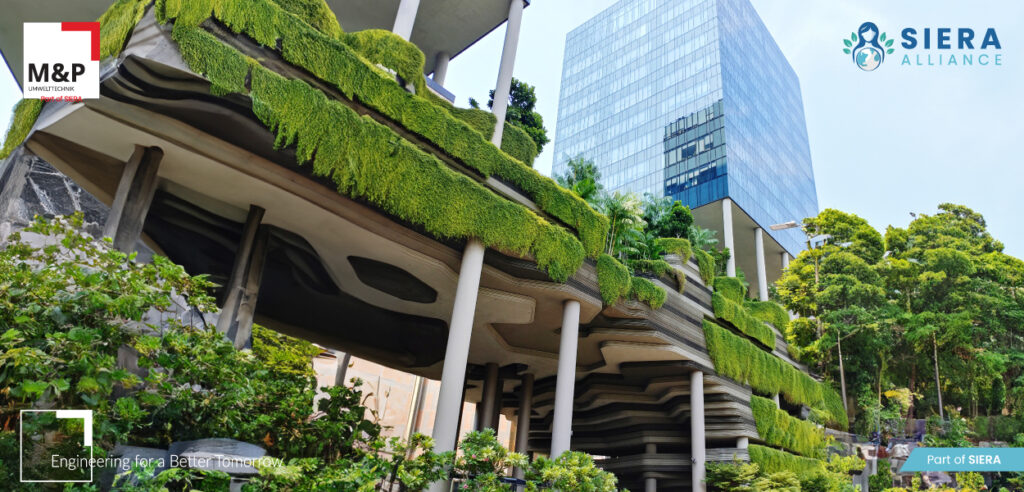
Introduction
The demand for sustainable construction is no longer a trend - it is a necessity. In the face of growing environmental pollution, stricter regulations and increasing awareness among stakeholders, the construction industry is moving towards environmentally friendly, resource-saving solutions. Green construction focuses on minimising environmental impact, optimising energy and water consumption and creating healthier living spaces.
At the forefront of this transformation MUP Umwelttechnik - part of SIERA organisations to implement sustainable construction projects - with engineering, consulting and innovation. The holistic solutions are aligned with the core principles of green construction and offer customised support for projects in a wide range of industries.
Why sustainable materials are crucial
Choosing the right materials is key to sustainable construction. They reduce the carbon footprint, increase longevity and promote the goals of the circular economy. The most important materials currently changing the industry include
- Bamboo - fast-growing, lightweight and highly resilient.
- Recycled steel - strong, versatile and reduces the need for primary ore mining.
- Cross laminated timber (CLT) - a renewable alternative to concrete with excellent load-bearing capacity.
- Low-VOC paints and coatings - improve indoor air quality and reduce harmful emissions.
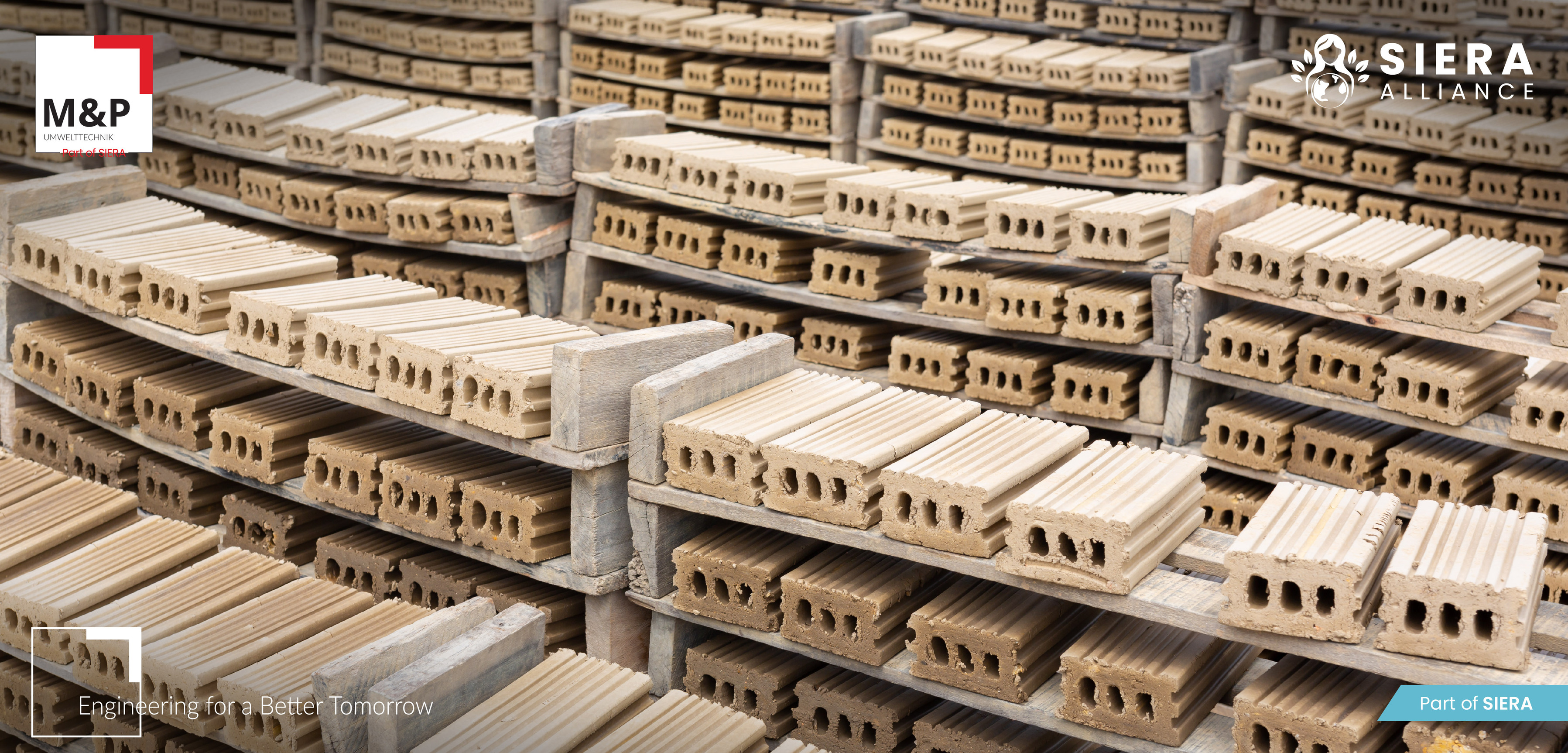
- Processed wood and bricks - promote reuse and reduce waste.
- Interlocking foam concrete formwork (ICFs) - improve energy efficiency through excellent thermal insulation.
- Green roof systems - provide additional insulation, reduce rainwater runoff and promote biodiversity.
The 7 principles of green construction
- Energy efficiency
Design buildings to minimise energy consumption through renewable energy, intelligent insulation and efficient HVAC systems. - Water efficiency
Use of grey water recycling, rainwater harvesting and efficient fittings to optimise water consumption. - Material sustainability
Favouring recycled, renewable and resource-saving materials to reduce embodied carbon. - Interior quality
Ensuring natural light, adequate ventilation and low-emission surfaces for healthier living and working spaces. - Waste reduction
Application of circular economy principles - recycling, reuse and upcycling during construction and operation. - Resilient design
Constructing buildings that can adapt to climate change, extreme weather events and long-term sustainability challenges. - Innovation & Smart Technology
Use of IoT, AI-supported monitoring and digital twin technologies to optimise building performance over the entire life cycle.
How MUP Umwelttechnik supports green construction
MUP Environmental Technology provides specialised expertise to adapt projects to sustainable building standards. This includes
- Sustainability consulting - Development of strategies for energy, water and material efficiency.
- Environmental engineering solutions - from Remediation of contaminated sites to the integration of renewable energies.
- Project management - Ensuring compliance with ESG frameworks and EU sustainability directives.
- Innovation consulting - Support in the application of digital technologies and green innovations.
This work supports MUP Environmental Technology its customers to transform sustainability commitments into measurable results - and thus actively contributes to Engineering for a Better Tomorrow with.
Conclusion
Sustainable construction is more than an environmental responsibility - it's an investment in the future. By using environmentally friendly materials and implementing the 7 Principles of Green Construction, developers and organisations can create buildings that are resilient, efficient and future-proof.
With the expertise of MUP Umwelttechnik - part of SIERA the path to sustainability becomes not only feasible, but also a strategic advantage.
➡️ Take the next step in sustainable building. Discover the services of MUP Umwelttechnik here.